2
Les restaurations d’équipe
1 hour ago
3 min
693


The Orbiter is your headquarters in Warframe. It is from here that you will launch your missions, prepare your builds, craft your gear, manage your mods, open your relics, and access a huge portion of the game's systems. In the beginning, you often click around a bit without fully understanding, when in reality, knowing your Orbiter well saves an incredible amount of time and makes the entire progression much smoother. In this guide, we will tour the most important consoles and areas so you know exactly what they are used for and why they matter in your progress.
Navigation is probably the console you will use the most. This is where you access the Star Chart, missions, alerts, invasions, fissures, quests, and everything that allows you to leave the Orbiter and go play. In the beginning, your main reflex should be simple: advance across the map, unlock planets, clear junctions, and regularly check available activities. If you don't know what to do, Navigation is almost always the place to start.
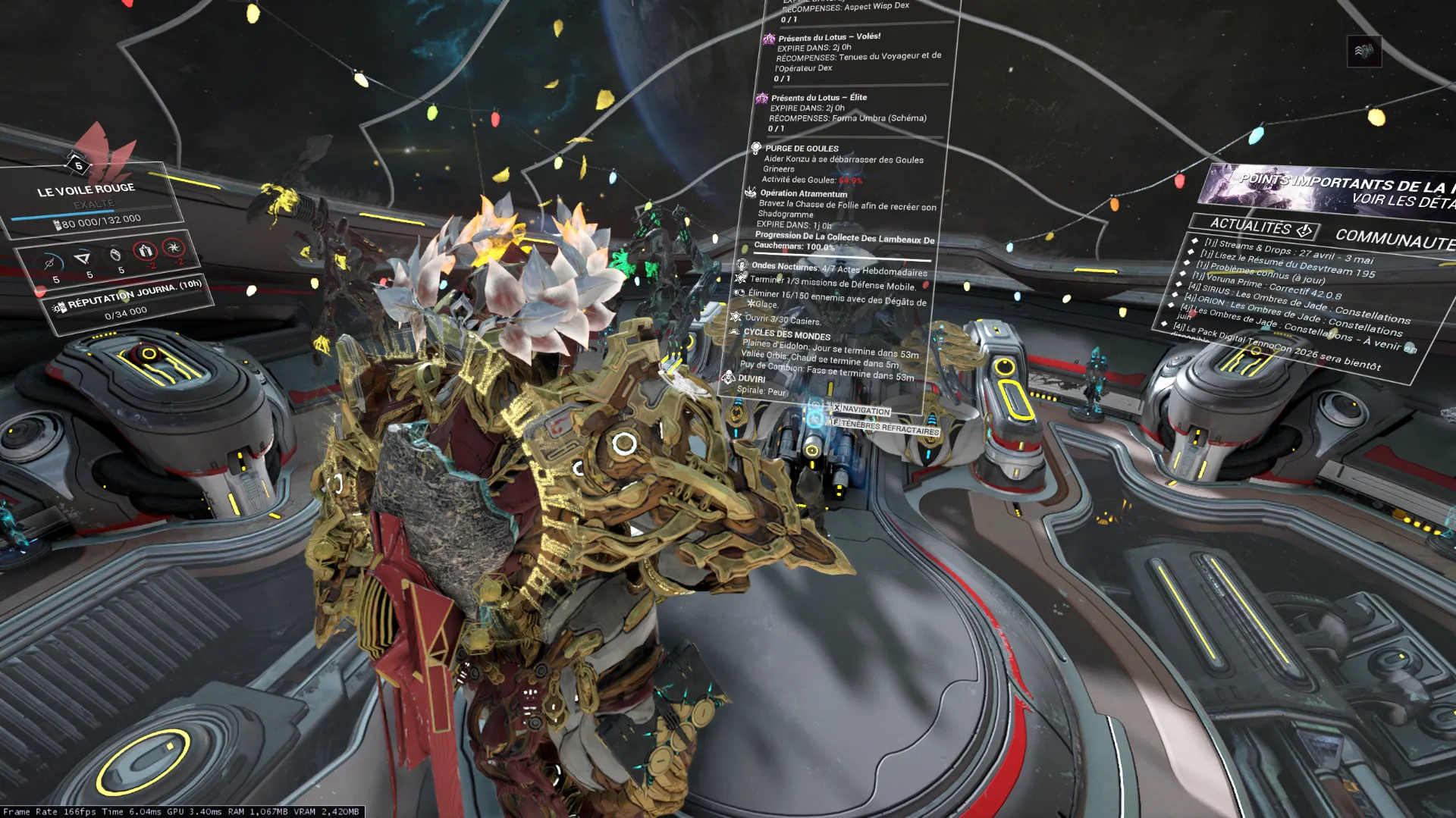
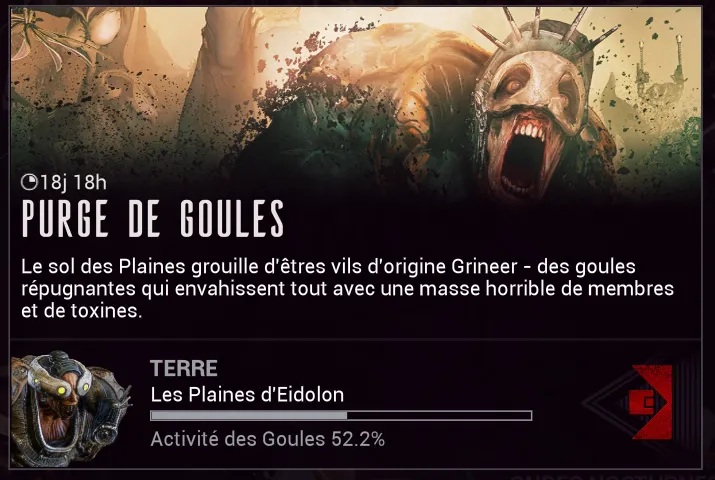
There are regular recurring temporary events like the Ghoul Purge on Earth and Thermia Fractures in the Orbis Vallis, which return every few weeks. Alongside that, there is also the Fomorian and Razorback, which also return occasionally depending on the game's news. Every year, between March and May, Warframe also celebrates its anniversary with Dex alerts, numerous gifts, and 2x credits or 2x affinity weekends. During the summer, we also find Dog Days, followed by the highly anticipated TennoCon between July and August. As for seasonal events, there are also Star Days in February, Nights of Naberus around October, and Tennobaum in December. The important point to remember is that they are all temporary: some return often, others only at certain times of the year, but if you miss their window, you will have to wait for their return. And if I had to pick just one, my favorite by far remains Operation: Plague Star, because it offers one of the best farming opportunities for pre-crafted Formas en masse.
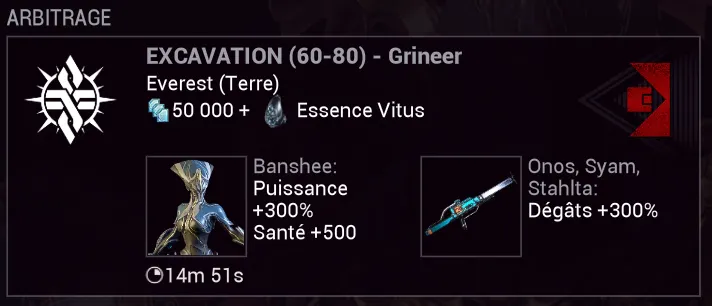
Arbitration is a more demanding game mode designed for players who have already progressed well, and today it is unlocked via a Pluto > Eris junction task rather than clearing the entire Star Chart as before. The principle is simple: these are special harder missions, with tougher enemies and especially Arbitration Drones, which are extremely annoying, cannot be affected by any ability, and immunize enemies within their range.
This is also where we farm Galvanized mods, which massively boost your primary and secondary weapons, as well as Vitus Essence, to be collected to buy useful items from the Arbiters of Hexis in relays. It is also considered one of the best Kuva farms in the game if you take the time to look into what is called optimized arbitration.
Originally, it was mostly seen as the ultimate Endo farming spot, but over time the loot table has expanded with a whole bunch of arcanes and other goodies. It is not necessarily the first content you should rush, but it is clearly an important step to strengthen your account before seriously tackling the rest of the endgame.
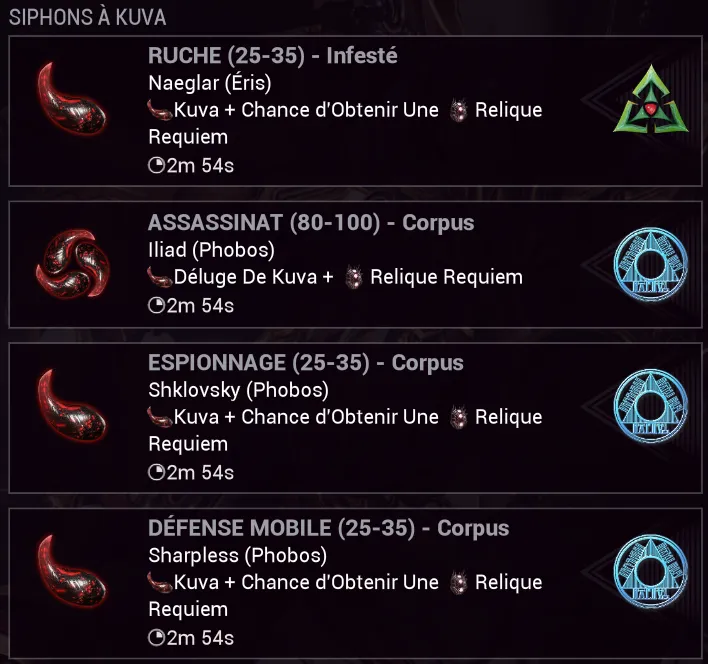
Weekly alerts are the kind of thing you should get into the habit of checking very regularly. As soon as you unlock them, there is a reward you must absolutely collect: your Ayatan sculpture. Generally, there is only a small Void challenge to do, nothing too nasty, and at the end you also have several chests to open that allow you to recover quite a few basic mods useful for a new player.
There is also Clem's mission, which allows you to obtain his specter and therefore be able to deploy it later in a mission. It's not the most game-breaking thing in the world, but it can clearly be useful and it's one of the nice little rewards not to be neglected.
And above all, during Devstreams and other special events, temporary alerts are regularly added with sometimes very precious rewards like Formas, Reactors, or Catalysts. So really get into the habit of checking that corner often, because missing an alert is sometimes missing out on something very profitable for almost no effort.
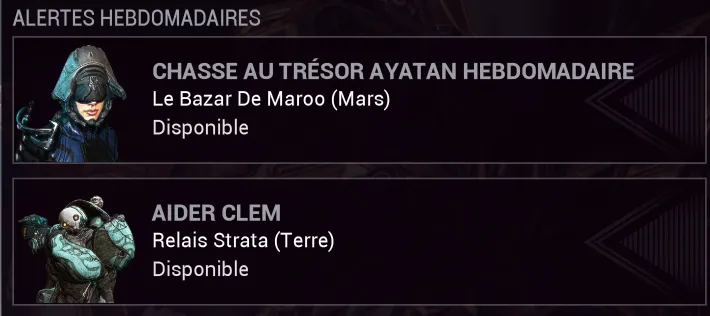
Kuva Siphons are special missions that regularly appear on the Star Chart and allow you to collect Kuva, a very important resource later on to reroll your Rivens. You unlock it very quickly by progressing on your Star Chart. During the mission, you must locate the Siphon (entering all rooms) then destroy the Kuva clouds it attracts with your Tenno (Void Dash or Amp shot) before they return to it. This is not necessarily the most profitable farm in the game if your only goal is to make maximum Kuva per hour, but it remains very useful content, especially at the beginning, because it familiarizes you with this resource and with the entire ecosystem related to Liches and Requiem relics.
Among these missions, there is also Kuva Flood, recognizable by its different symbol, which is even more interesting since it gives more Kuva and guarantees a Requiem relic. If you start touching Kuva Liches, Requiem mods, or later Rivens, you should clearly keep an eye on Kuva Siphons.
These missions reset every hour. They always appear on missions closest to the Kuva Fortress, which constantly orbits the sun. It is therefore easy content to monitor if you get into the habit of regularly checking your navigation.
Nightmare missions are harder versions of already completed missions, with one or more imposed handicaps such as reduced energy, locked shield recharge, increased damage taken by the player, or other similar modifiers. To unlock them on a planet, you must first complete all its normal nodes. Their big appeal at the beginning is mainly to recover certain very useful exclusive mods, and during special events they can also give additional temporary rewards. Normally, this is not necessarily the most profitable content in the game, but it remains a very good way to collect some important mods and start tackling slightly more demanding missions. During Operation Atramentum in April 2026, they also gave Nightmare Tatters and reset every eight hours, which clearly shows that DE sometimes uses them as support for temporary events.
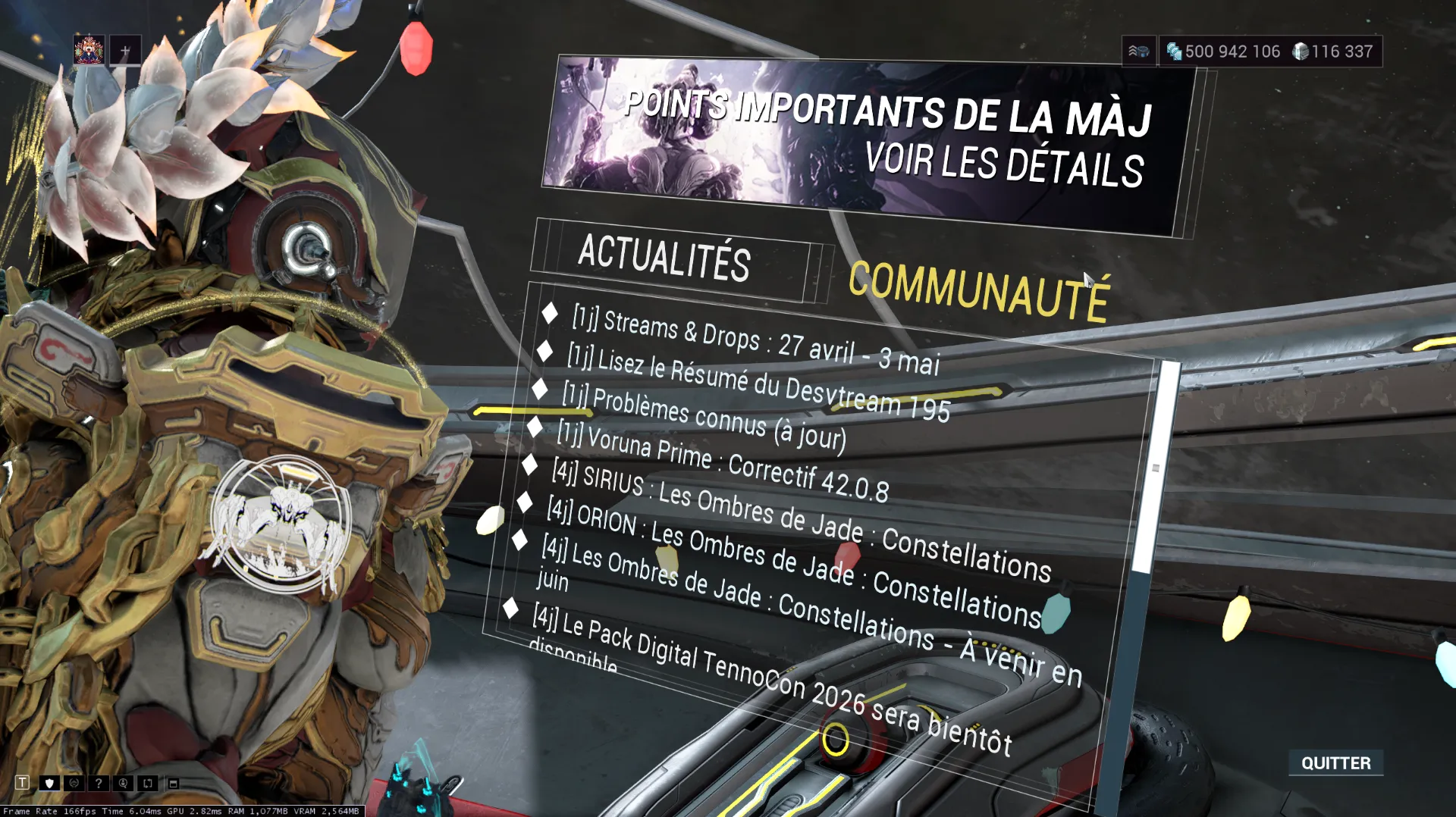
This console allows you to check game news, important announcements, ongoing events, and sometimes the latest information highlighted by Digital Extremes. Many players barely look at it, even though it allows you to quickly spot a temporary reward, a special event, or a new feature that deserves your attention. It's not the most important console in the ship, but it's a good habit to pick up if you want to stay informed about what's happening.
The Railjack console allows you to access your ship's build, even if everything concerning it is not located here. An important part also goes through the dry dock, in your dojo or in a relay that has one.
In the beginning, this won't necessarily be the console you use the most, but it becomes very important as soon as you start touching Railjack content, certain quests, final lich confrontations, or more globally anything revolving around space combat. As is often the case in Warframe, it may feel secondary at first, then become almost indispensable once the game starts really leading you there.
And above all, don't underestimate its progression: the Railjack intrinsic tree alone allows you to recover 75,000 mastery points, which represents a huge amount of mastery, the equivalent of a good dozen Warframes. For that alone, it's a system that clearly shouldn't be ignored. It also allows you to have the most powerful specter in the game, hundreds of times stronger than you!
The console linked to 1999 grants access to a very specific part of Warframe and all the content revolving around it. For a new player, it is clearly not a priority and you have plenty of time before touching it. The most important thing at first is simply knowing that it exists and that it will gain importance later in your progression.
As is often the case in Warframe, some consoles seem completely secondary when you start out, then end up becoming very important once the content is unlocked. This is definitely one of them. So don't stress over it too early, just remember that it will be there when the time comes.
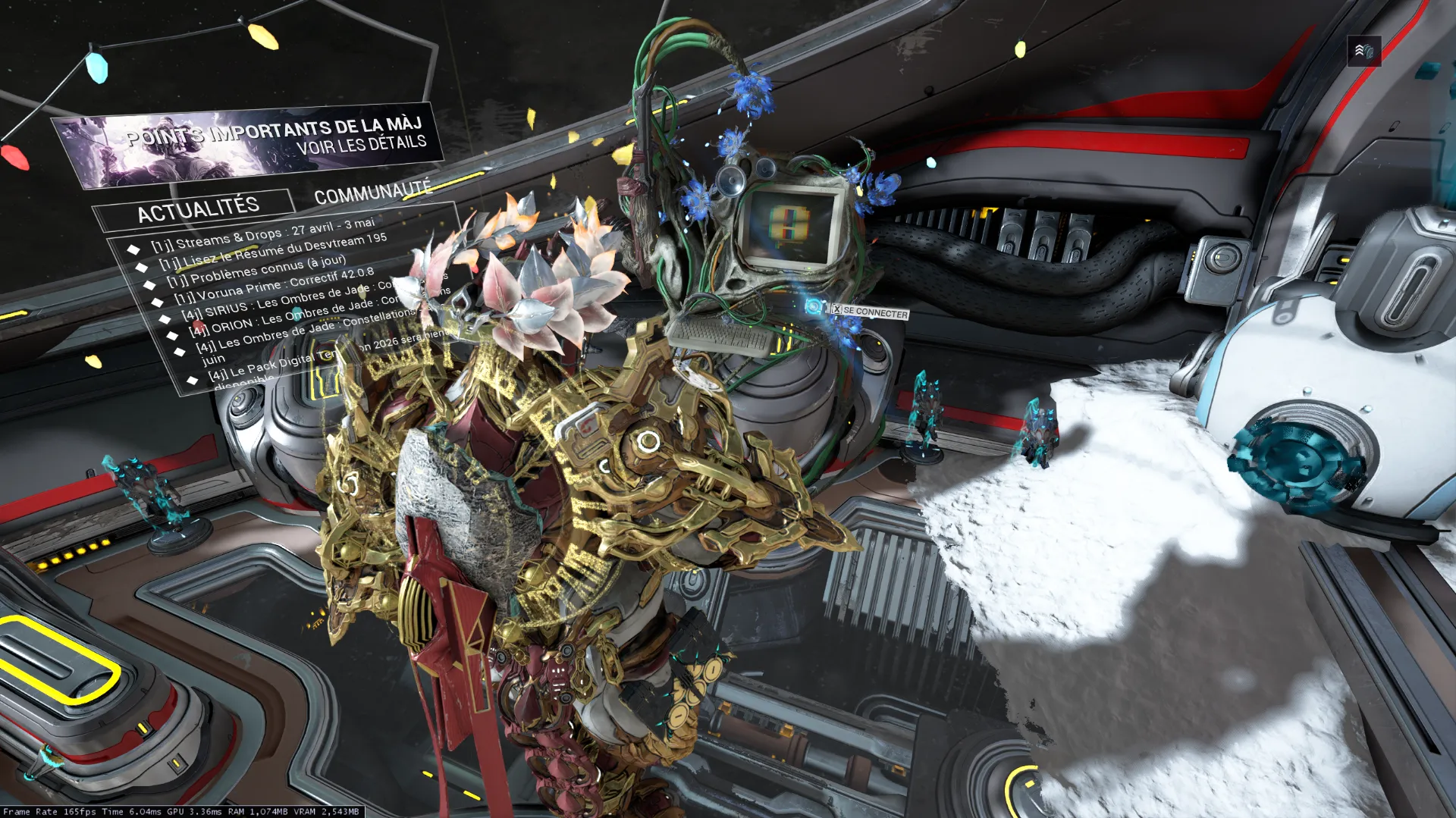
The Syndicates console allows you to track your standings, see your progress, and collect various rewards related to your investment with certain factions. It is a very important console in the long run, because a huge amount of useful things come through here: augment mods, gear, upgrades, specific items, and sometimes true progression milestones.
At first, you won't do everything at once, and that's normal. On the other hand, you need to get into the habit of checking it fairly quickly and above all pledging allegiance to a syndicate as early as possible. Even if you don't understand everything yet, you might as well start bringing in standing rather than wasting time for nothing. In Warframe, waiting too long before starting certain progressions is often the best way to regret it later, especially since it's a rather passive farm.
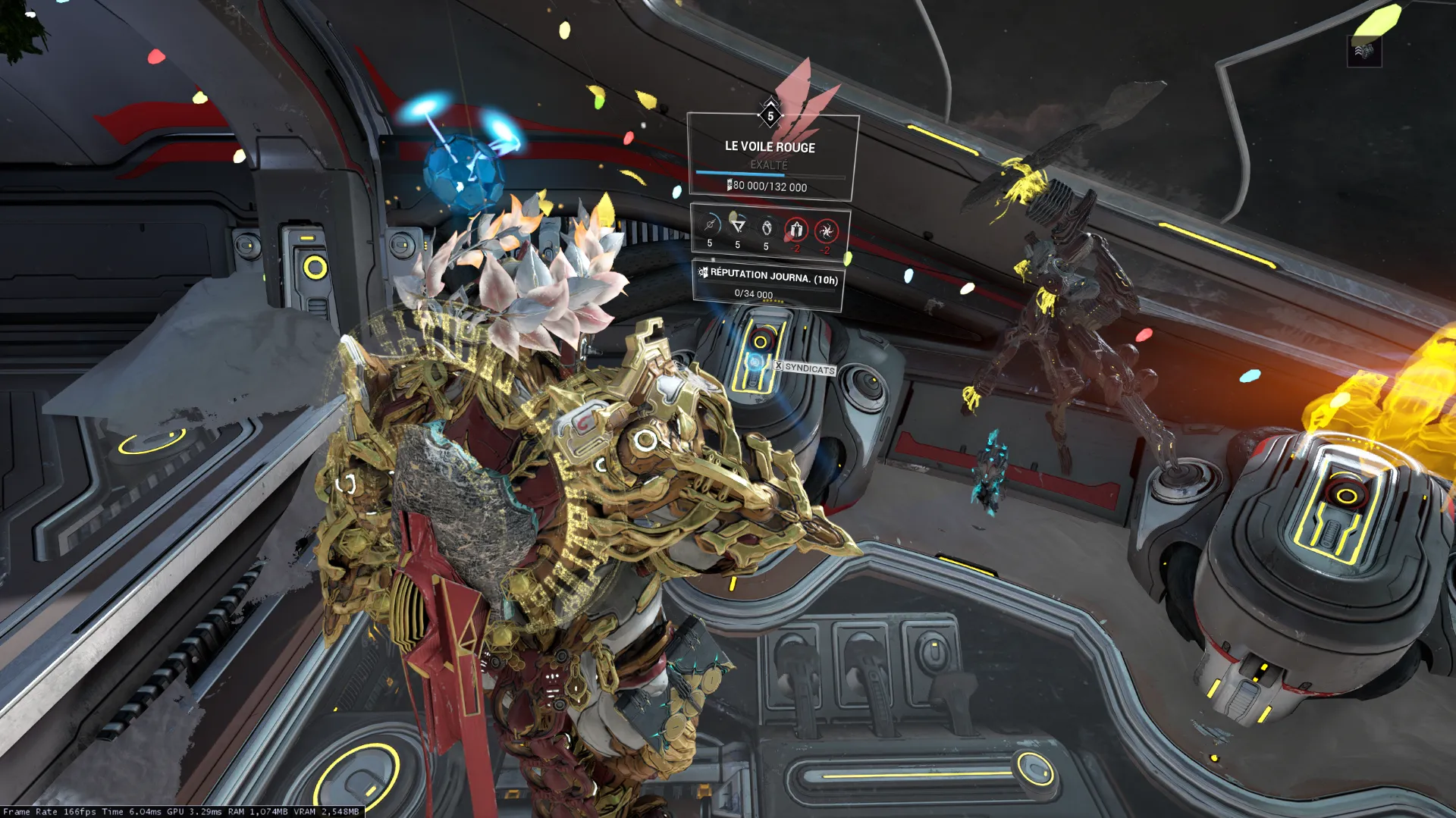
The Codex is a huge database integrated into the game. You will find quests, numerous lore entries, information on certain enemies, as well as an overall tracking of your progress. Many players completely forget it exists, even though it can be very handy for finding a quest, checking an objective, or simply better understanding what is happening in the game. It's not always the most precise tool in the world, but it's a solid foundation.
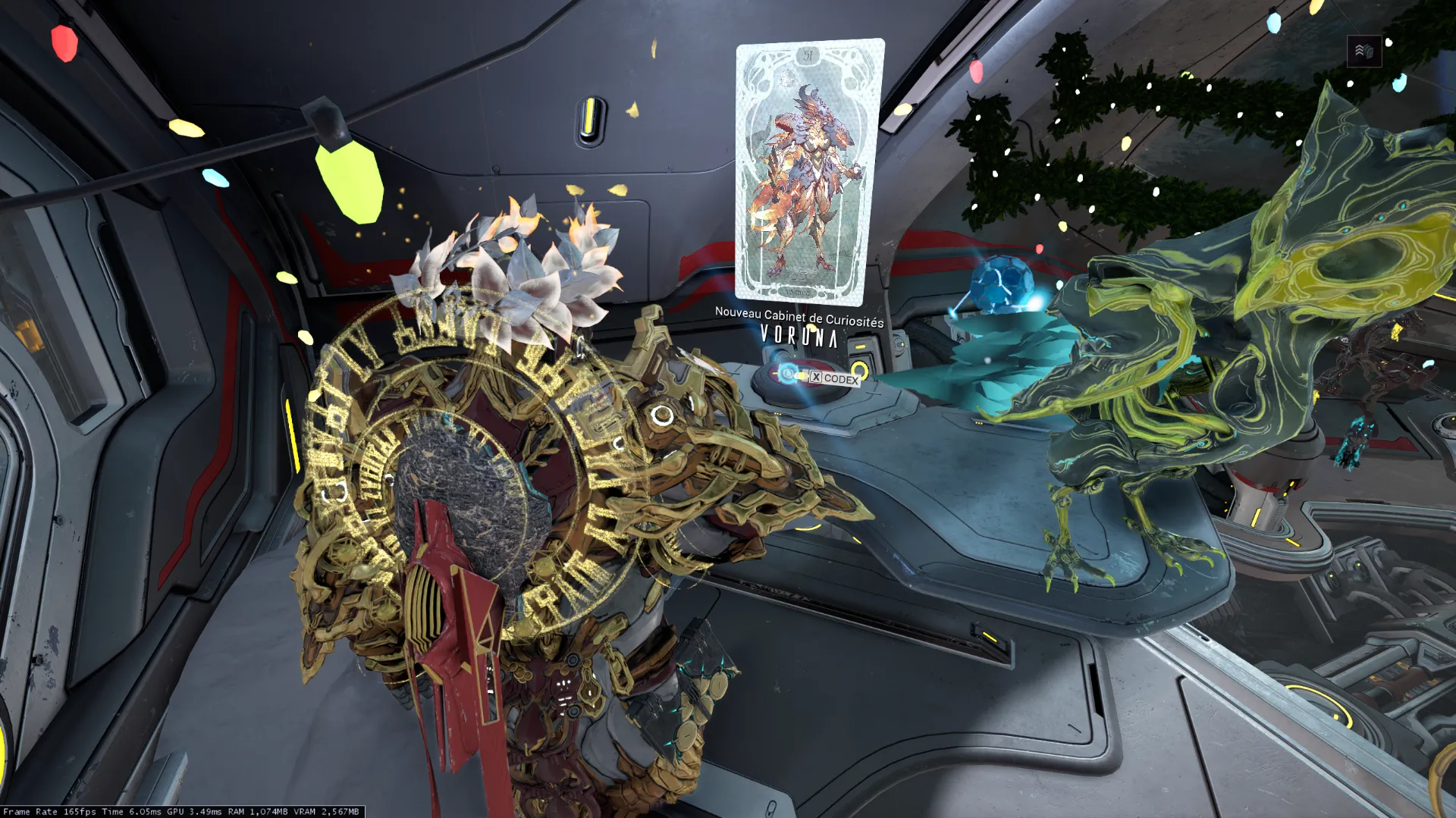
The Market allows you to buy or browse a huge amount of items: weapons, Warframes, cosmetics, resources, blueprints, and lots of other things. You must understand one thing: everything displayed here is not necessarily to be bought with Platinum. Many items can also be obtained as blueprints with credits, then crafted in your foundry. For a new player, this is a very important console.
You will mainly spend your Platinum here with the necessities of war: Formas, reactors, catalysts, slots, and boosters! Boosters are way too important.
More optional: exilus slots, elemental slots, and arcane slots because they are easily farmable in-game.
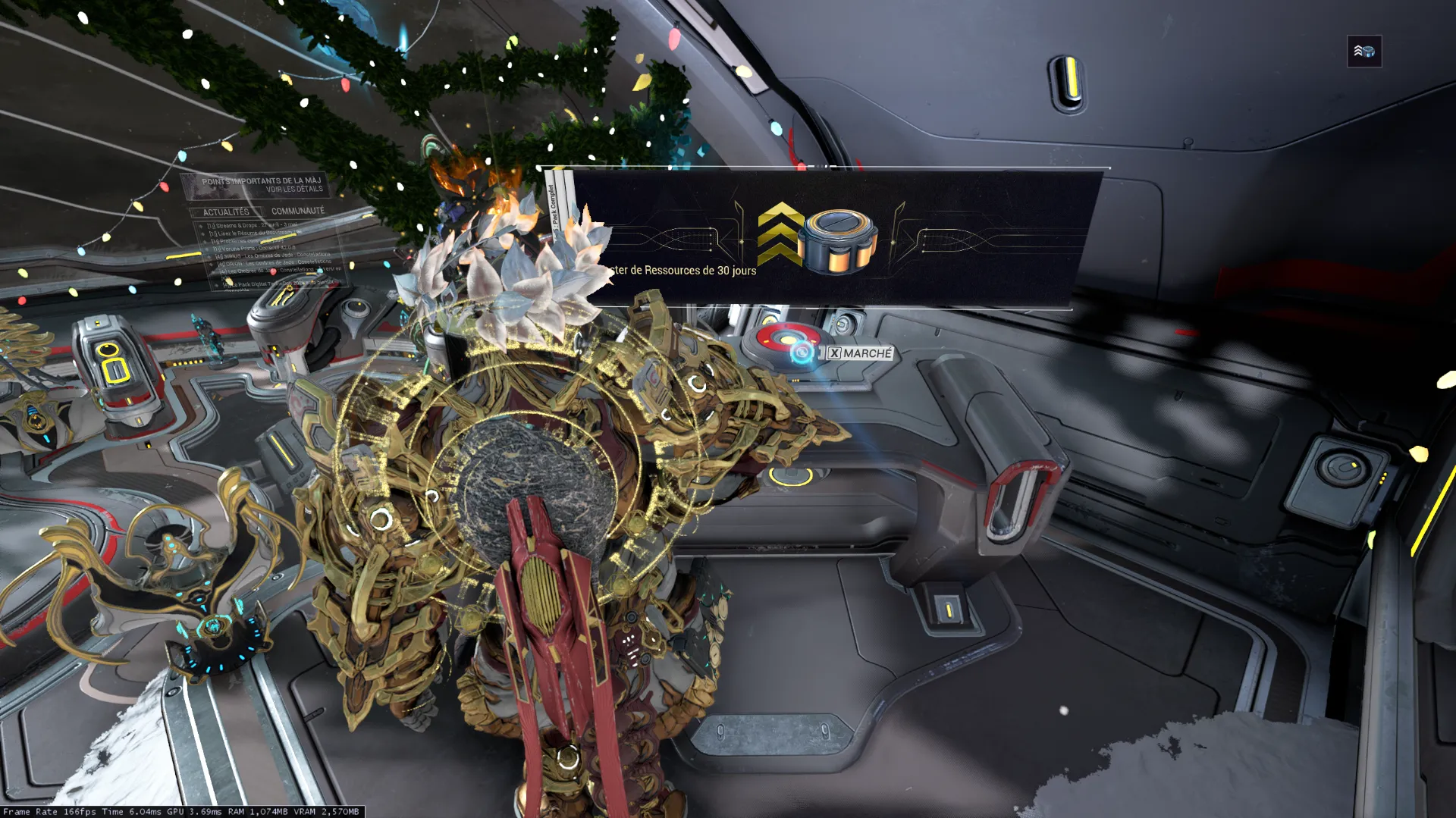
The Nightwave console allows you to track weekly challenges and collect a whole bunch of very useful rewards. It's a system that definitely should not be ignored, because it regularly grants access to important resources, especially Nitain, but also Catalysts, Reactors, mods, and lots of other interesting things.
You should try to do as many as possible each week. Even if you don't clear the whole list, Nightwave remains one of the best ways to get free resources and items that hold immense value in an account's progression. It is clearly a console to monitor very regularly.
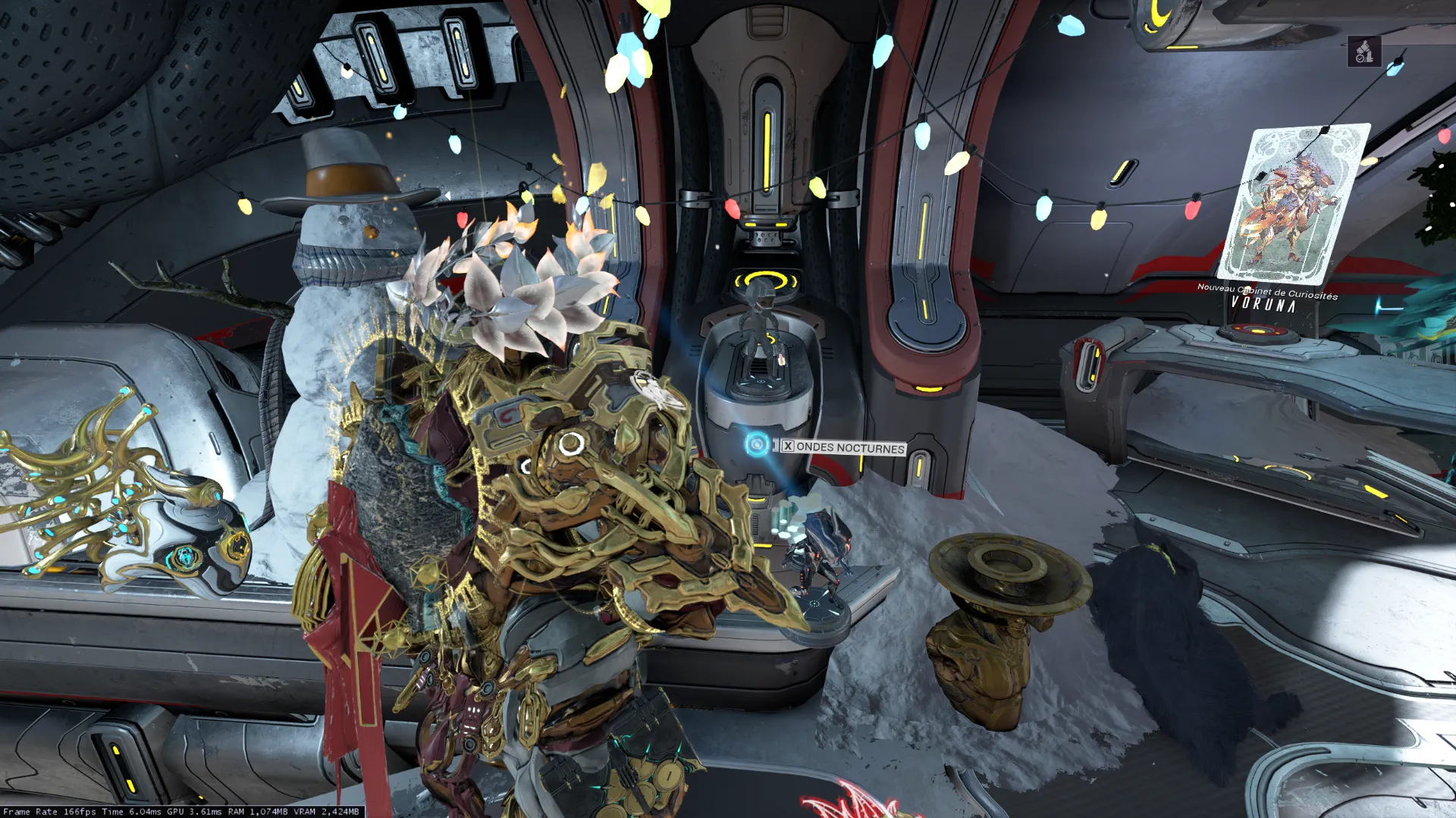
This console allows you to manage two extremely important things: your mods and your Ayatan sculptures. Mods are the core of your power in Warframe. This is where you will upgrade them, fuse them, sort them, and learn to better understand your progression. Ayatan sculptures are mainly used to recover Endo, an essential resource for upgrading your mods. The further you advance, the more important this console becomes, because a player who understands their mods always progresses much better than a player who equips them at random.
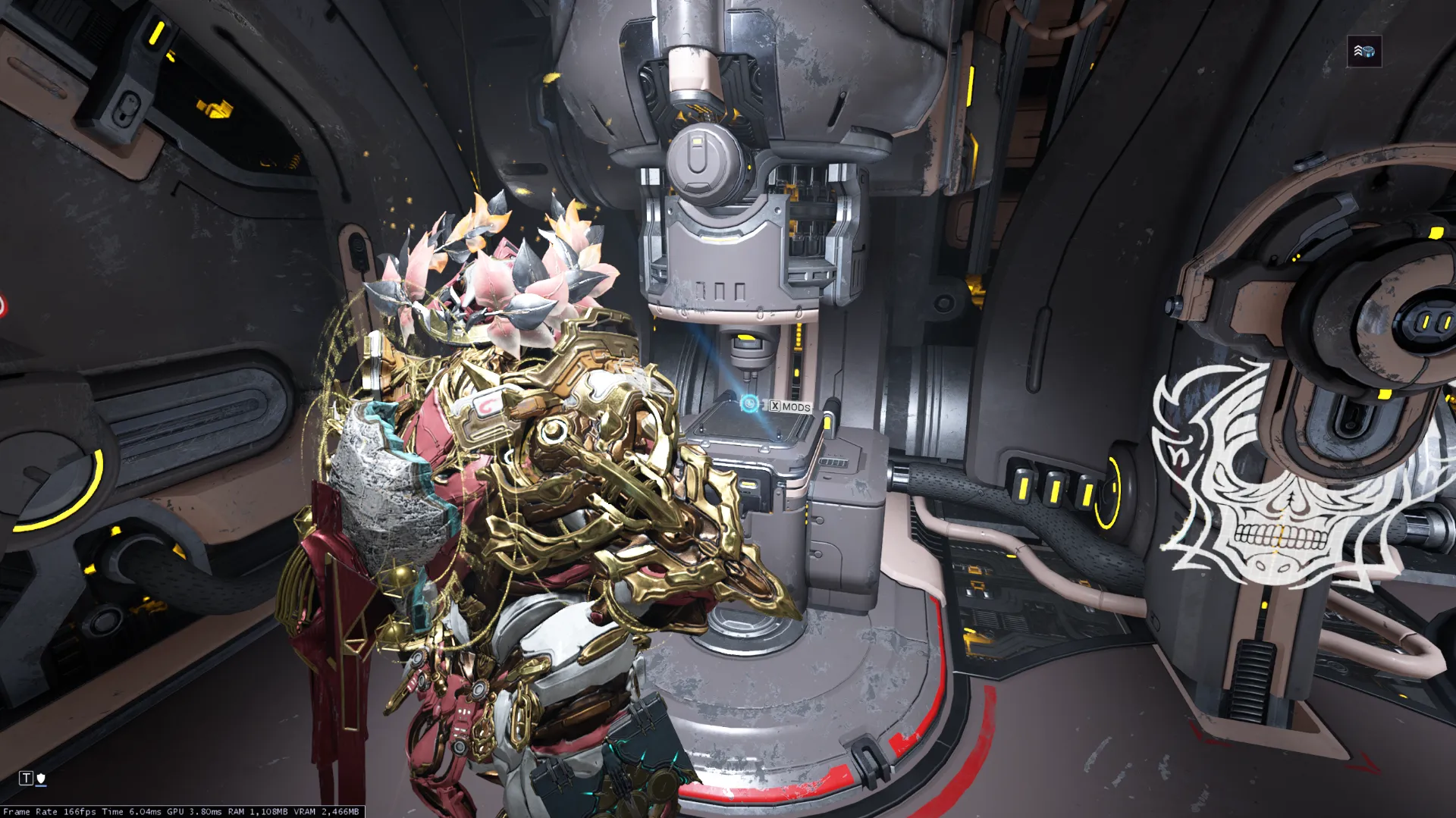
The Arcane console allows you to manage these special enhancements that strengthen your Warframes, weapons, or certain pieces of equipment depending on what you have unlocked. At first, this isn't necessarily the most important system to master, but the further you progress, the more Arcanes will take up space in your builds and optimization. It is therefore a console you should know early on, even if you won't be using it to its fullest during your very first hours of play.
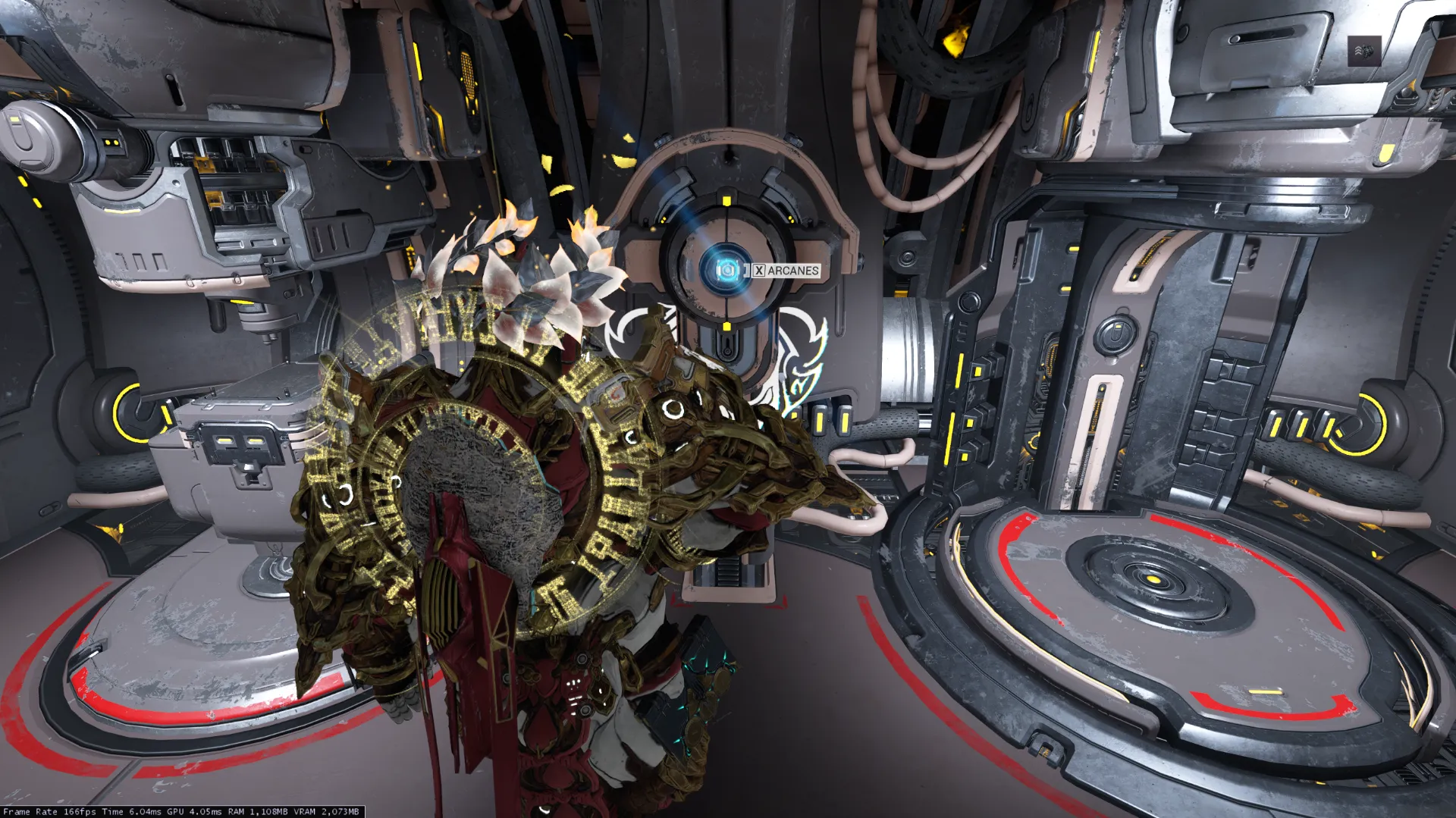
The incubator is used to manage your biological companions, notably Kubrows and Kavats. This is where you will start certain incubations, monitor their growth, and manage part of their mechanics, starting from the Howl of the Kubrow quest. Companions quickly take on a real role in gameplay comfort and in certain builds, so it's better to know early on where all this takes place.
And in 2026, you must understand one thing: your companion can sometimes be much more violent than you. It's no longer just a nice little accessory you drag behind you, it can become a true war machine with a massive impact on your progression.
A quick tip along the way: it is possible to obtain Nautilus or Nautilus Prime quite early, either by buying it or farming it. It possesses one of the most powerful Sentinel weapons in the game, and with a good build it can clearly become an ultimate hack to progress much faster.
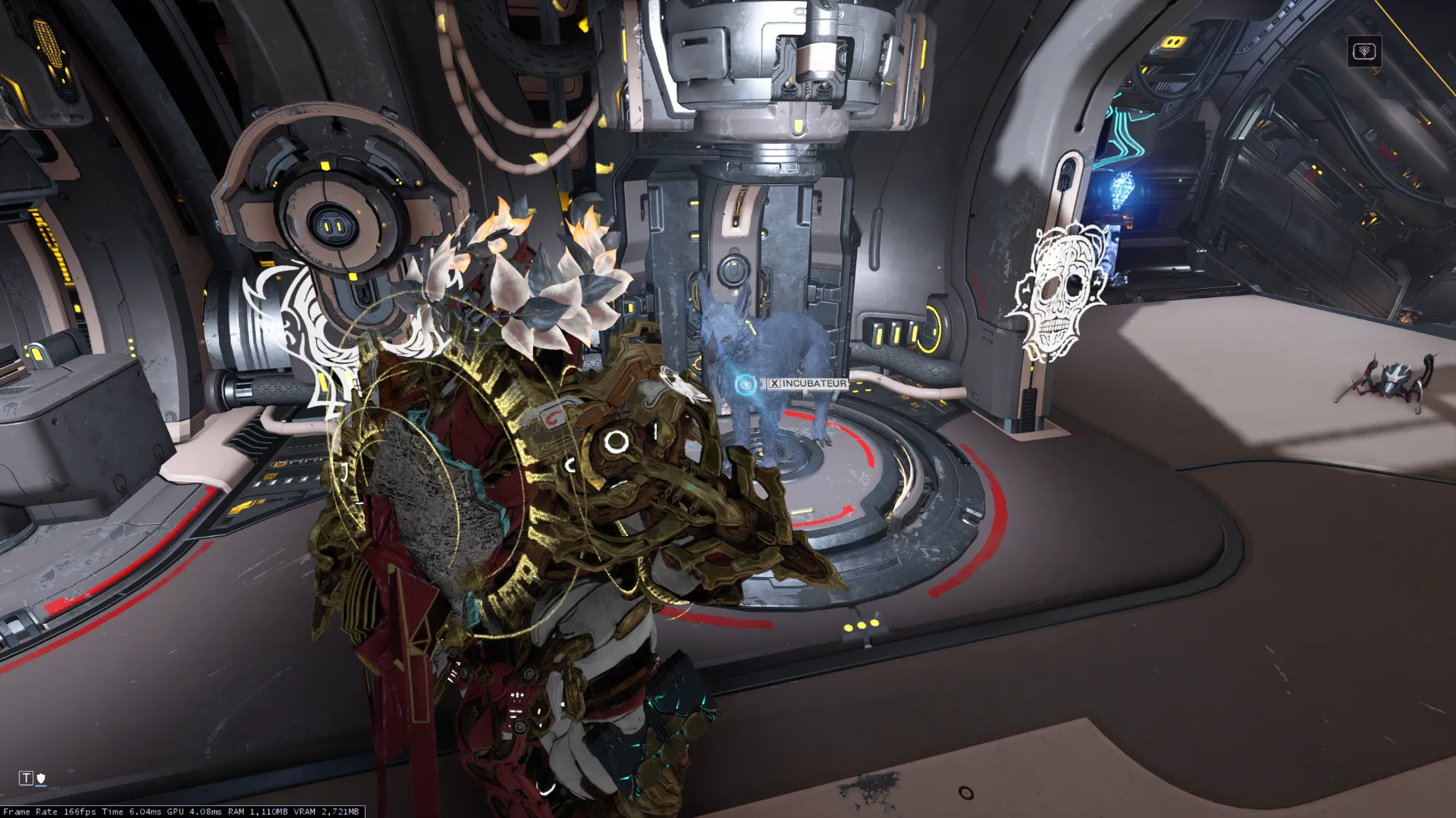
The Foundry is one of the most important consoles in the entire Orbiter. This is where you will craft your weapons, Warframes, equipment, consumables, keys, components, and a huge part of what will advance your account. Warframe is a game where you must get into the habit of running the Foundry constantly. One weapon finishes, another starts. One Warframe is crafting, another build is being prepared. The harder your Foundry works, the more your account progresses.
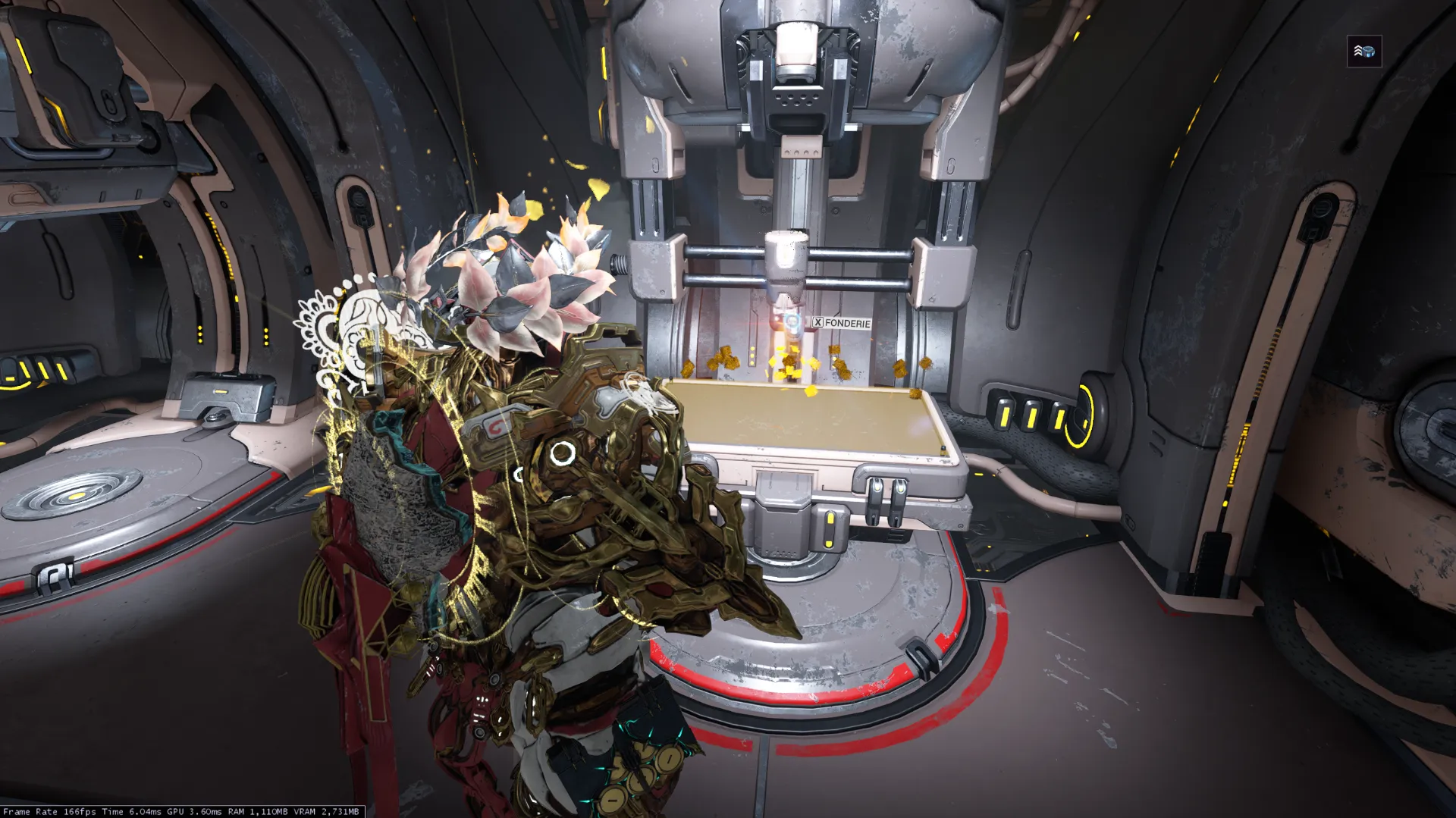
ThePvPconsole grants access to Warframe's player-versus-player mode. It is clearly not the core of the experience for the majority of players, and many will almost never touch it. But it exists, it is part of the Orbiter, and it's always good to know where it is. If you are ever interested in this content, everything goes through this console.
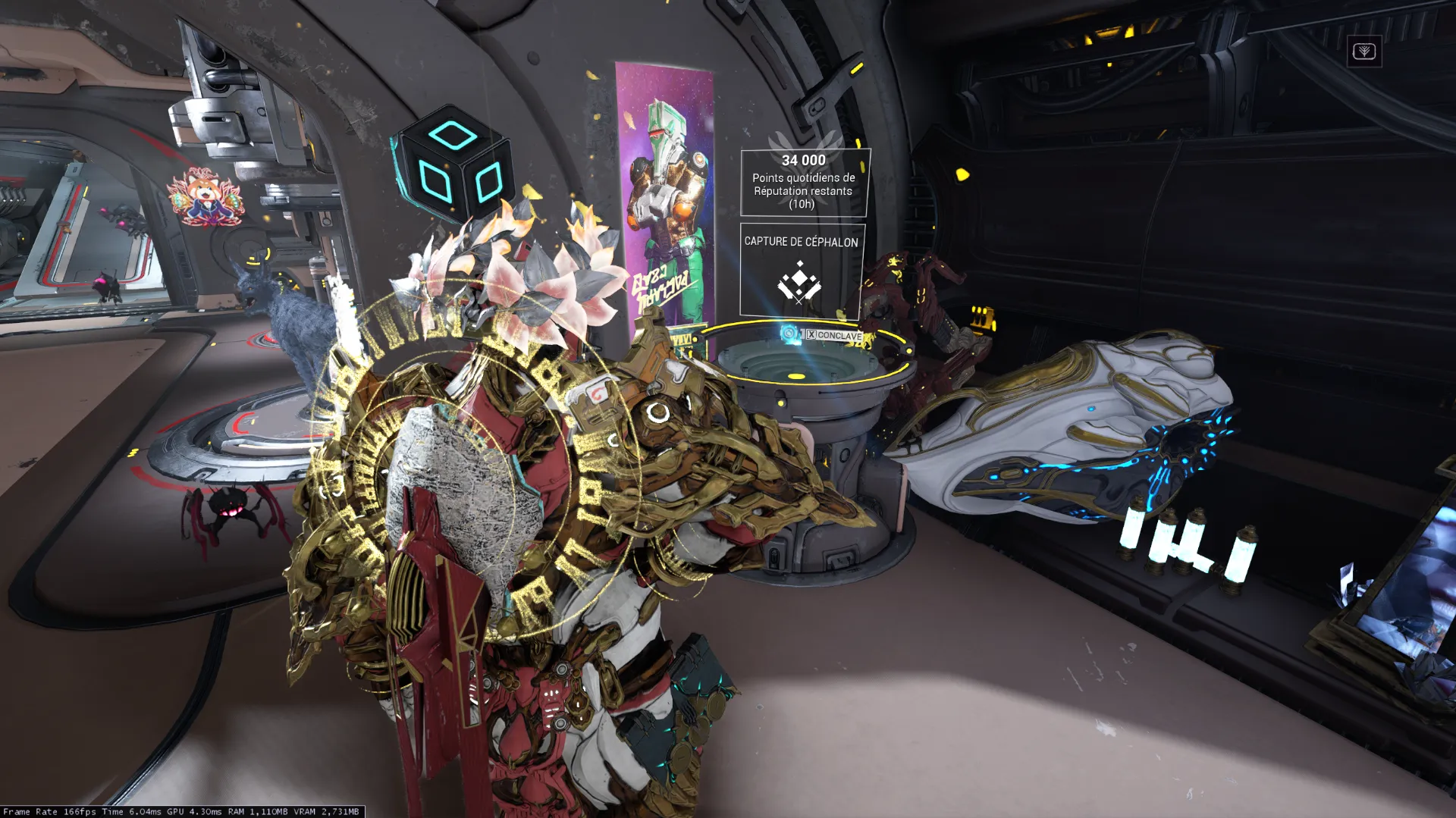
The Arsenal is where you prepare your builds. This is where you equip your Warframes, weapons, companions, cosmetics, mods, and where you concretely build your playstyle. If Navigation is the console you use the most to launch the game, the Arsenal is probably the one that defines your progression the most. This is where you truly start transforming your gear into something strong, cohesive, and tailored to your goals.
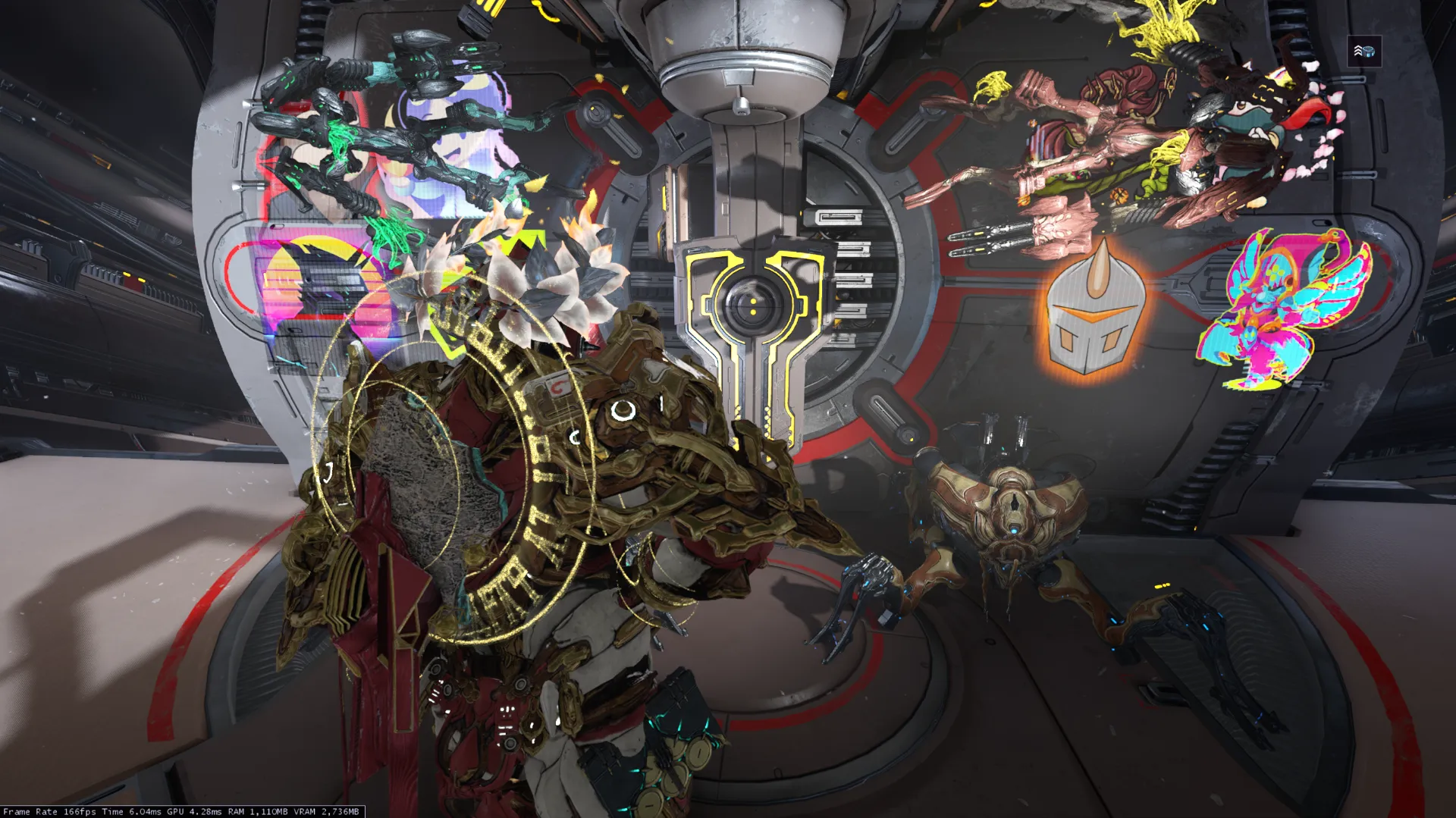
The Relics console allows you to check your Void relics, see what they contain, and prepare for opening them. It is a very useful console to check your stocks, see which ones you have in quantity, and determine which ones are best to refine in priority. Learning to manage your relics cleanly quickly becomes a very good habit, especially as soon as you start taking a liking to fissures.
And if you are looking to farm Platinum, relics are probably one of the best contents in the game, simply because everything sells. Whether it's rare Prime parts, commons in bulk, complete sets, or just stock to clear out, there is always something to gain from it. It is truly one of the foundations of Platinum farming in Warframe.
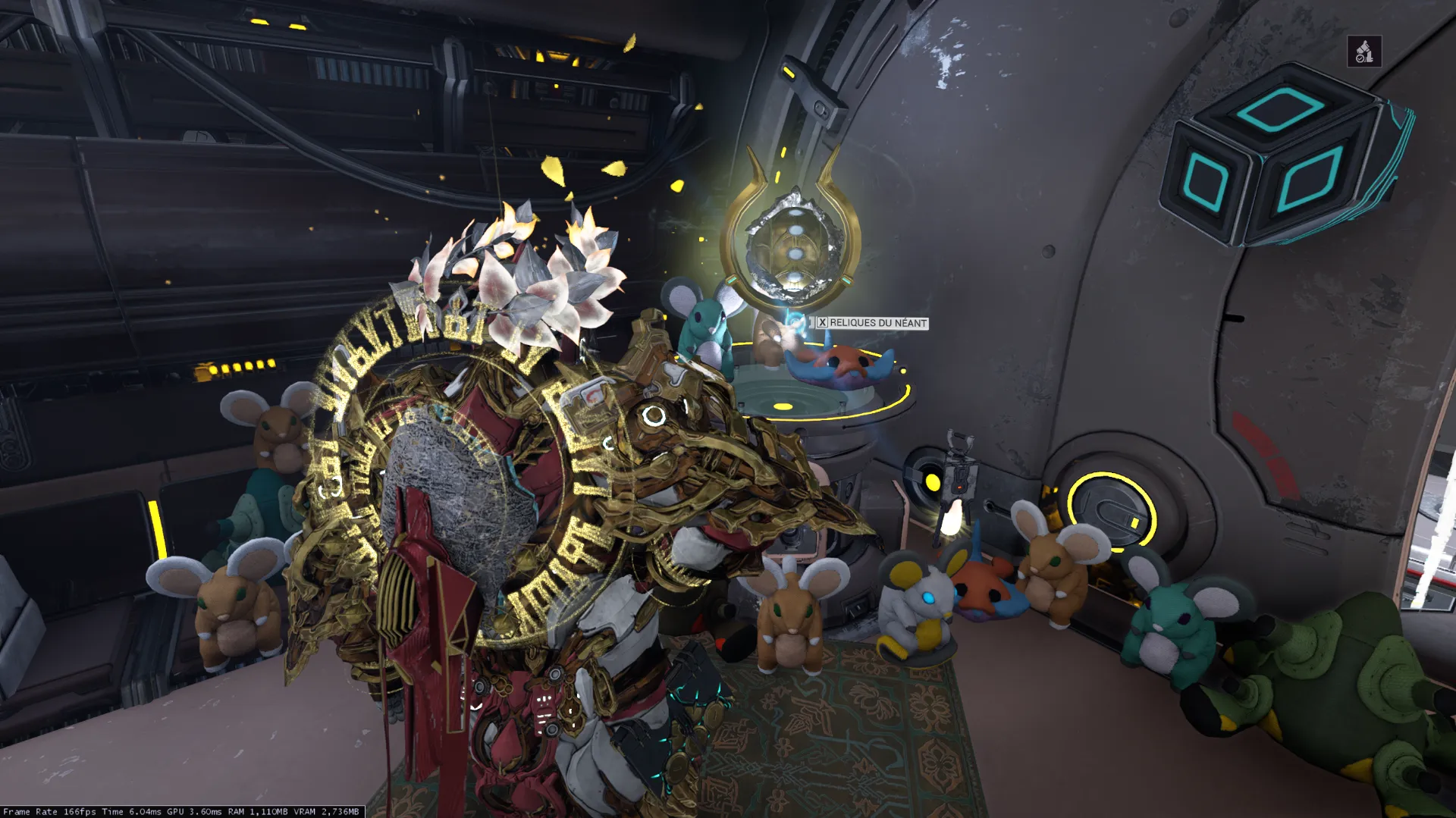
The Helminth is a very powerful system that allows you to profoundly modify some of your Warframes, notably by transferring certain abilities to them. For a new player, it is clearly not an immediate priority, but you should know that this part of the Orbiter will become extremely important later on. It is an advanced optimization tool, very strong, and often at the heart of many pushing builds.
Even if you don't touch it right away, keep its existence in mind. It is unlocked from Son, in the Necralisk on Deimos, and the day you truly want to optimize your setups, it will take up a huge place in your progression.